The first time I applied for a US visa, I got denied.
It was 2016 in Manila. I remember walking out of the embassy feeling confused more than anything else. I had prepared my documents, answered the questions honestly, and still heard the sentence no applicant wants to hear.
“Unfortunately, your visa cannot be approved today.”
At the time, I didn’t fully understand why.
The officer didn’t explain much. They rarely do. The interview lasted maybe two minutes. Passport returned. Application refused under Section 214(b).
That was it.
I didn’t argue. I didn’t ask questions. I just left the building and tried to process what happened.
The Manila Interview
Back then I was still based in the Philippines.
I remember the morning clearly — long lines outside the embassy, applicants holding folders full of documents, everyone quietly reviewing their answers in their heads.
When my turn came, the interview window felt very quick.
Basic questions.
Where do you work?
Why do you want to visit the US?
Do you have relatives there?
I answered calmly.
But after a few keyboard taps, the officer handed my passport back and said the visa could not be approved.
No drama. No long explanation.
Just finished.
Walking Out After a Denial
Walking out of the embassy felt strange.
You see people celebrating approvals, smiling with their passports. And then there are people quietly leaving, trying not to overthink what just happened.
At first I thought I did something wrong.
But after reading more about US visa refusals, I realized something important.
A denial doesn’t always mean you made a mistake.
Sometimes it simply means the officer wasn’t convinced yet about your travel ties at that moment in your life.
Life Changed After That
Years passed.
I moved to the UAE and started building my life in Abu Dhabi. Work became more stable. My travel history slowly expanded.
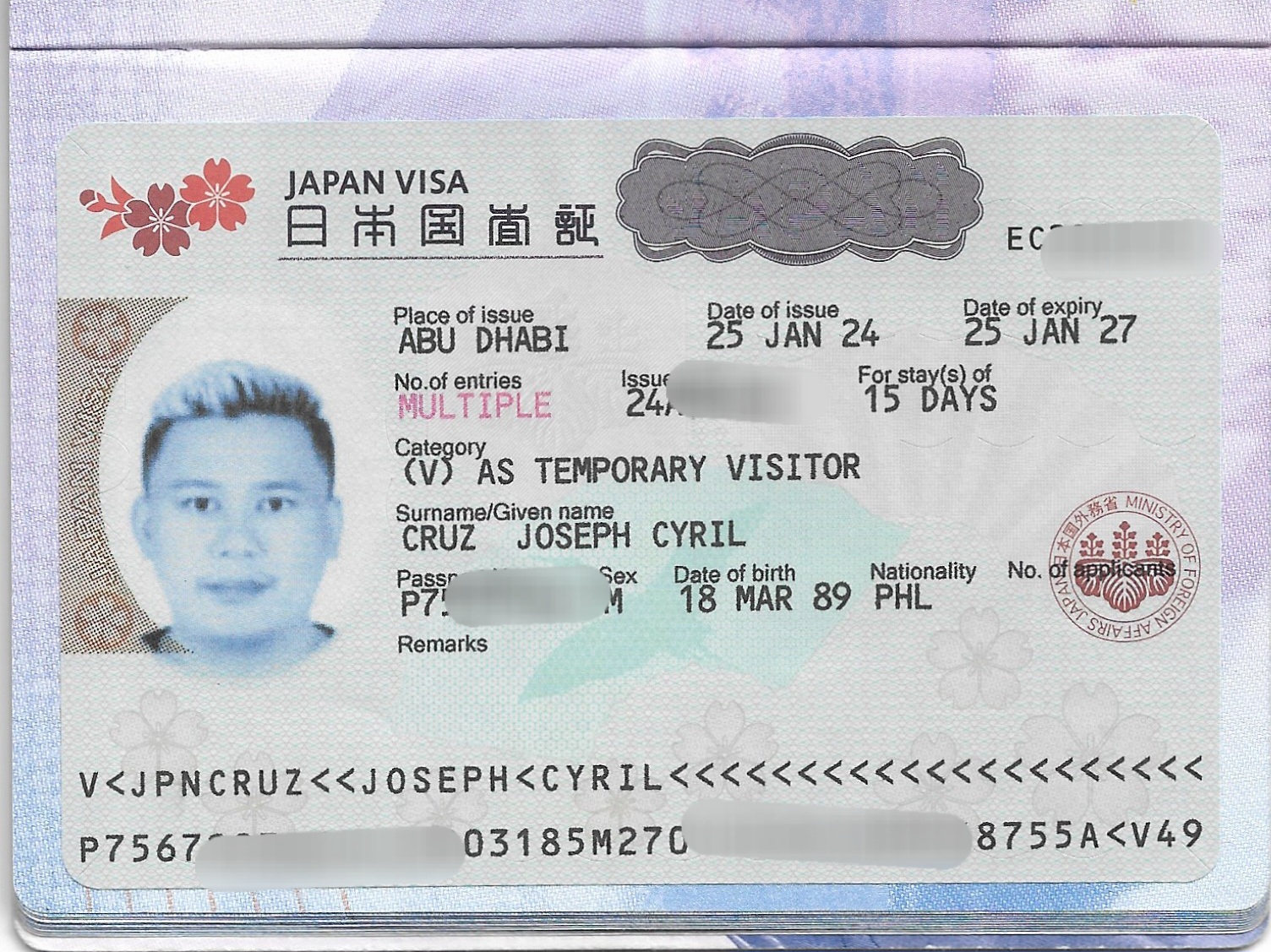
Hong Kong. Armenia. Georgia. Thailand. Japan. Singapore. Malaysia. Russia. France. Belgium. Netherlands. South Korea.
I didn’t rush to reapply for a US visa right away. I focused on building experiences first.
In a way, the denial removed the pressure.
Travel didn’t stop because of it.
Applying Again in Abu Dhabi
In 2024, I decided to try again.
This time I applied from the US Embassy in Abu Dhabi.
The process started the same way — DS-160 form, visa fee payment, and scheduling the interview.
But everything around me felt different compared to 2016.
I had years of work history in the UAE. Multiple international trips. A more stable life overall.
Even my mindset was calmer.
If it gets approved, good.
If not, life continues.
The Abu Dhabi Interview
The interview itself was surprisingly quick again.
The officer asked a few questions:
Why do you want to go to the US?
Where do you work?
How long have you lived in the UAE?
I answered normally, without overexplaining.
Then the officer looked up and said something simple.
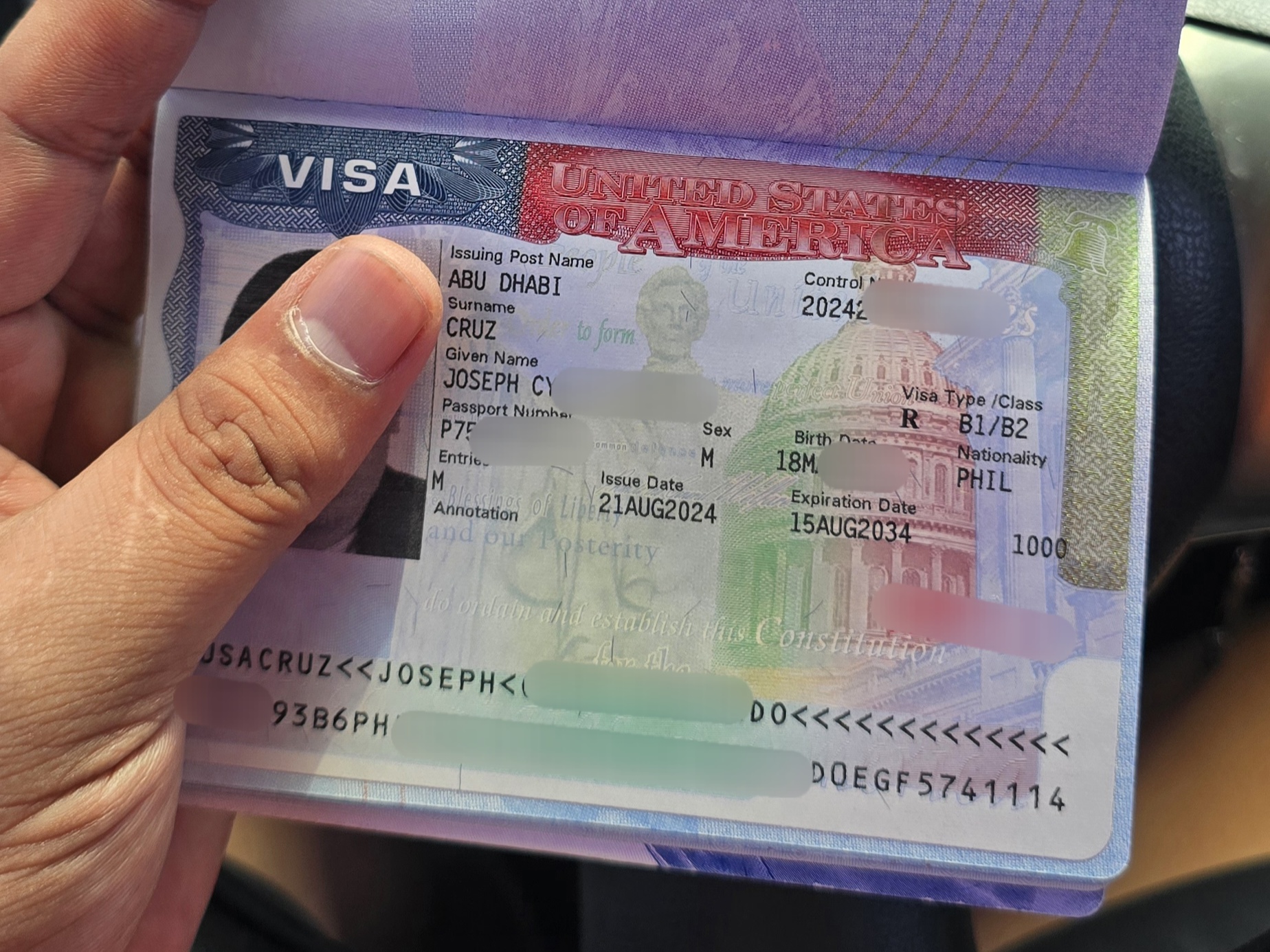
“Your visa is approved.”
That moment felt surreal.
Not because I desperately needed the visa — but because it closed a small chapter that started years earlier in Manila.
What I Learned from Both Experiences
Looking back, the denial in 2016 and the approval in 2024 felt like two different stages of my life.
The first one taught me patience.
The second one reminded me that timing matters.
US visa officers aren’t only evaluating your documents. They’re trying to understand your situation — your ties, your stability, your intent to return.
And those things naturally evolve over time.
Advice for Filipinos Applying for a US Visa
If you’re applying for a US visa, especially as a Filipino working abroad, here are a few things I learned from experience:
Travel history helps, but it’s not everything. What matters more is showing a stable life you will return to.
Keep your answers clear and honest. You don’t need to memorize complicated explanations.
Don’t panic if you get denied. Many people are approved later when their situation changes.
And most importantly — don’t let one visa define your ability to travel.
There’s a big world outside the US.